plants

Growing and Caring for the American Maple

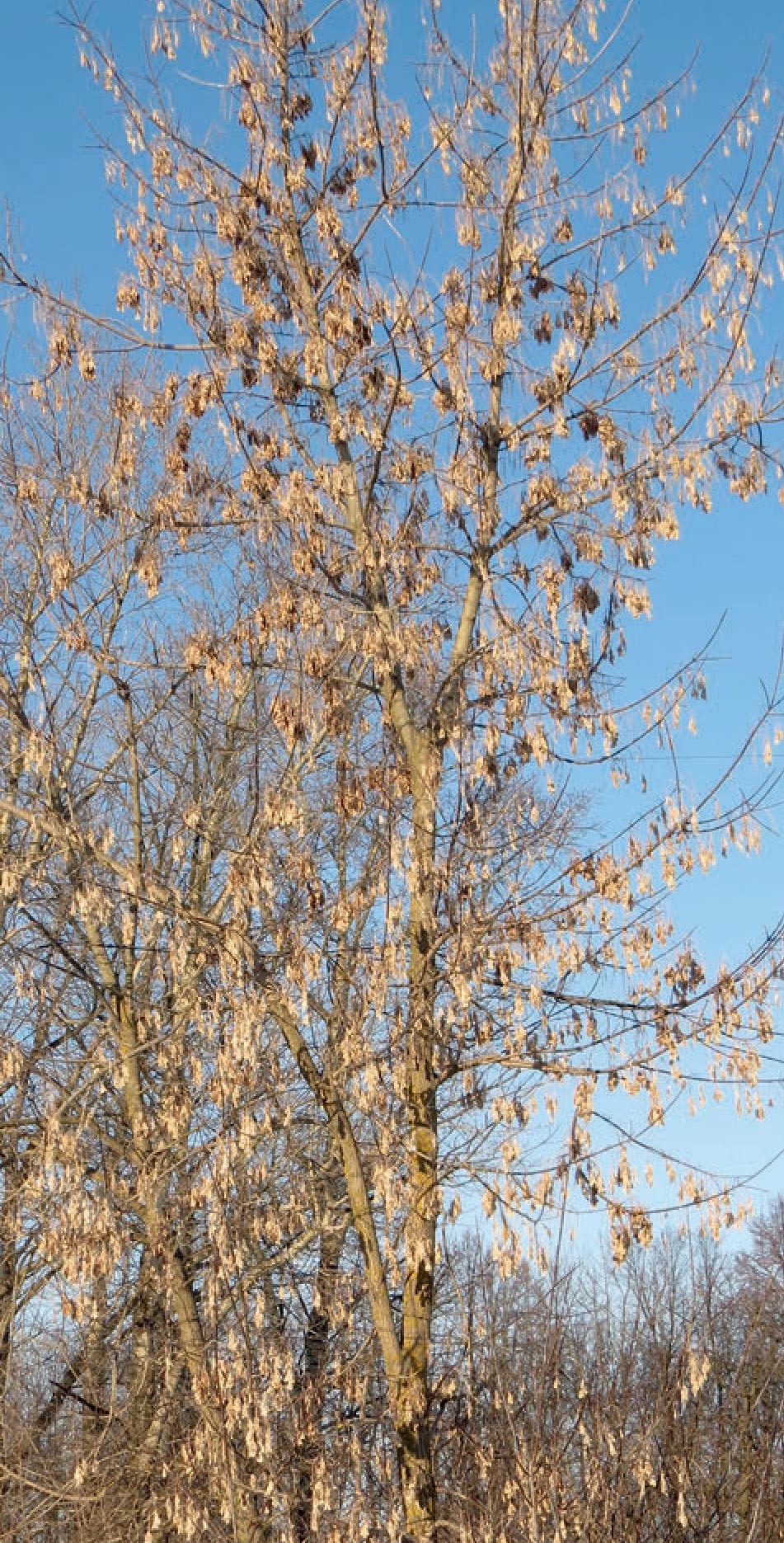
The history of introducing this North American species into cultivation spans almost four hundred years. It is a story of suffering, adaptation and, finally, a triumphant march through the cities, villages and shelterbelts of the entire Eurasian continent, all the way to the Arctic Circle. The abundant self-seeding of the American maple overruns urban lawns and, since the mid-19th century, natural habitats as well, suppressing native plants. As a result, landscape gardeners have branded it a “weed tree” and a “killer maple” and excluded it from the list of species recommended for planting in populated areas. Moscow’s Department of Natural Resources even urges people not to buy seedlings for their country plots, claiming that the plant “does not possess high ornamental and aesthetic qualities.” But here, as they say, the officials in charge of nature management have “thrown out the baby with the bathwater.” ... Read more

Soy. History, Benefits, and Biochemistry

Soy, scorched by the blazing sun, is one of the most ancient crops of world agriculture. It has traveled a long path from a modest wild plant to one of the most valuable cultivated crops. ... Read more

A Microbial Consortium for Life on Mars

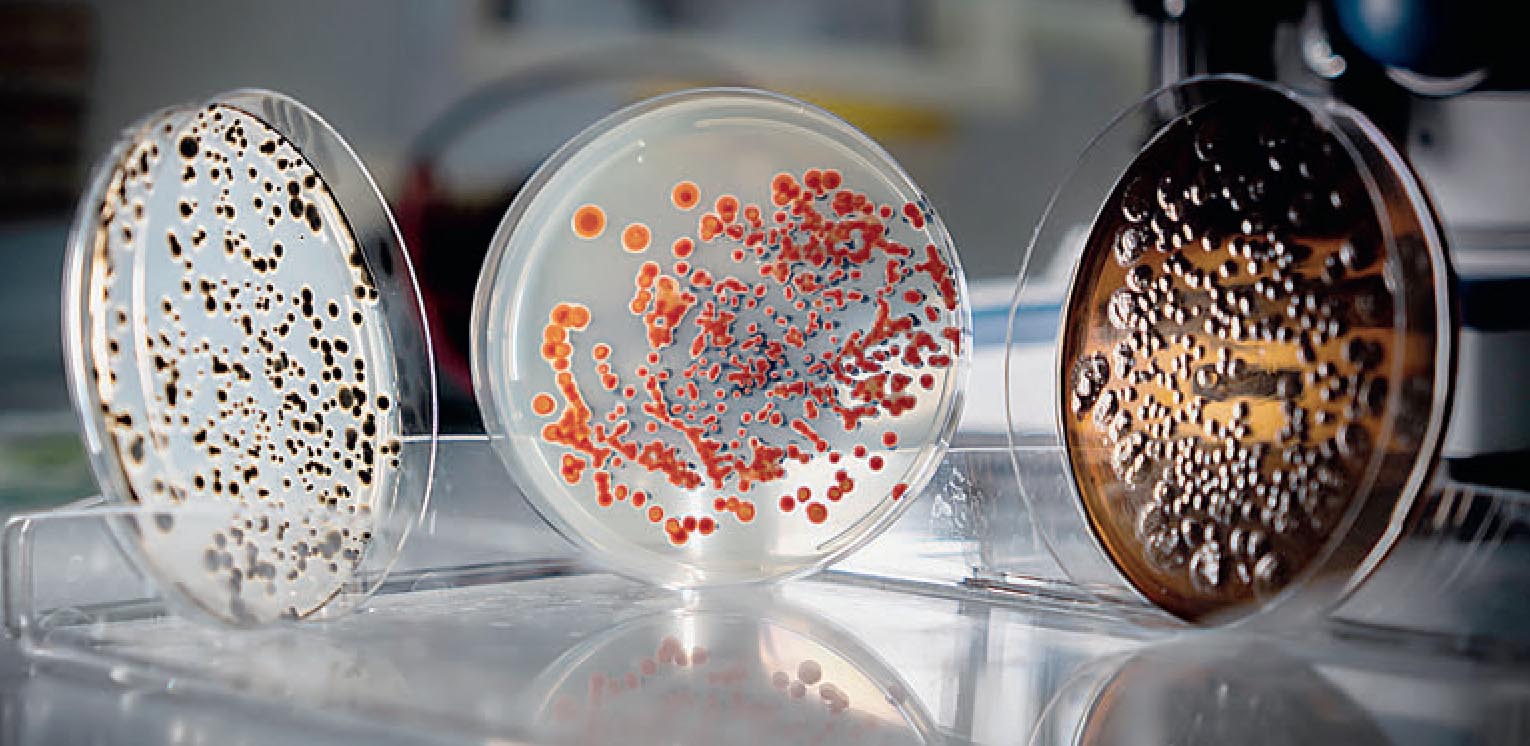
Humanity has never given up on the dream of Martian gardens, and step by step, we are edging closer to that goal. One of those steps was a joint experiment by the D.I. Ivanovsky Academy of Biology and Medicine of the Southern Federal University (SFedU) and the Institute of Biomedical Problems of the Russian Academy of Sciences. Researchers assembled a consortium of ten microbial strains and sent them into near-Earth orbit aboard the Bion-M No. 2 spacecraft. Their aim: to see how a complex community of bacteria and fungi withstands the extreme conditions of spaceflight — heightened radiation, weightlessness, and heavy g-forces. At the orbit of 370–380 km where Bion-M No. 2 flew, radiation levels are over 200 times higher than Earth’s natural background and 30% higher than aboard the International Space Station. ... Read more